Présentation de l’IRED
Les outils du réseau
ACTIVITES
Découvrir ou rester informés des dernières actions et activités de l’IRED.
Activités
Partenaires qui coopèrent actuellement avec avec le Réseau :



Quelques chiffres de l’IRED
années d'actions et activités au service du developpement
Manuels de gestions et de recherche de financement vendus
de budget annuel moyen à son apogée (en €)
Les outils du réseau
Les Livres et Manuels de Fernand Vincent et des autres membres du Comité

L’IRED soutient les coopératives de café du Burundi
Depuis la mi-2023 l’IRED accompagne, grâce au soutien des communes genevoises et de laConfédération, via la Fédération genevoise de coopération, les caféiculteurs/trices duBurundi. Un projet d’appui de trois années et une contribution de CHF 500,000, doitpermettre à...
Le Parlement Suisse réduit le financement de la coopération au développement
Les deux chambres du Parlement suisse ont décidé à la mi-décembre 2024 de réduire les crédits dela coopération au développement suisse pour les années 2025-28. Les crédits de l’aide audéveloppement et de l’aide humanitaire à l’Ukraine sont réduits de 351 millions de...
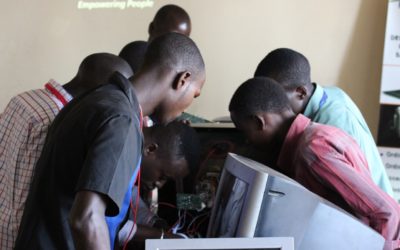
PRO JEUNES EMPLOI : RAPPORT FINAL
Projet 15-21 « Renforcement des capacités d’employabilité et d’auto emploi des jeunes au Burundi : PRO JEUNES EMPLOI » Les différentes activités menées dans le cadre de ce projet ont permis d’atteindre les 6 objectifs spécifiques du projet. Le point de vue des...
actualité du développement
-
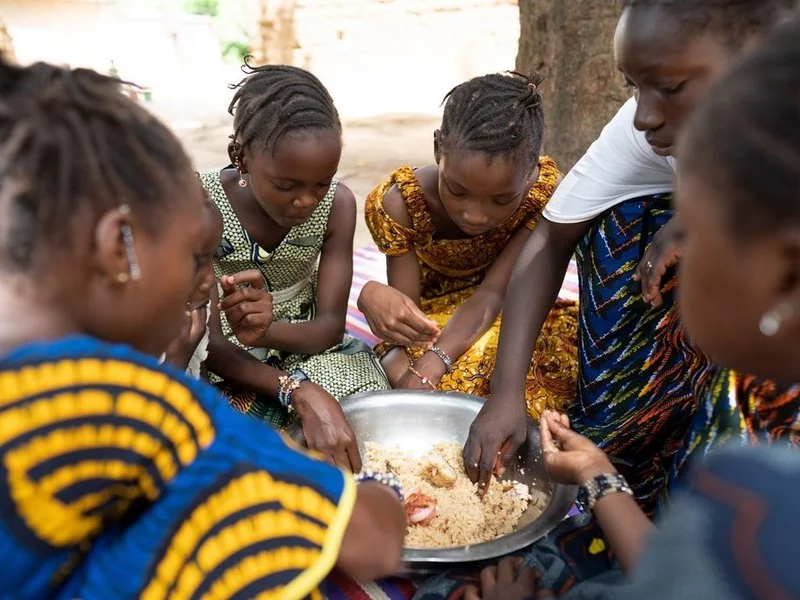
Crise alimentaire: Aggravation de la faim en Afrique de l’Ouest et en Afrique centrale
La faim et la malnutrition en Afrique de l’Ouest et en Afrique centrale atteignent des nive...
-
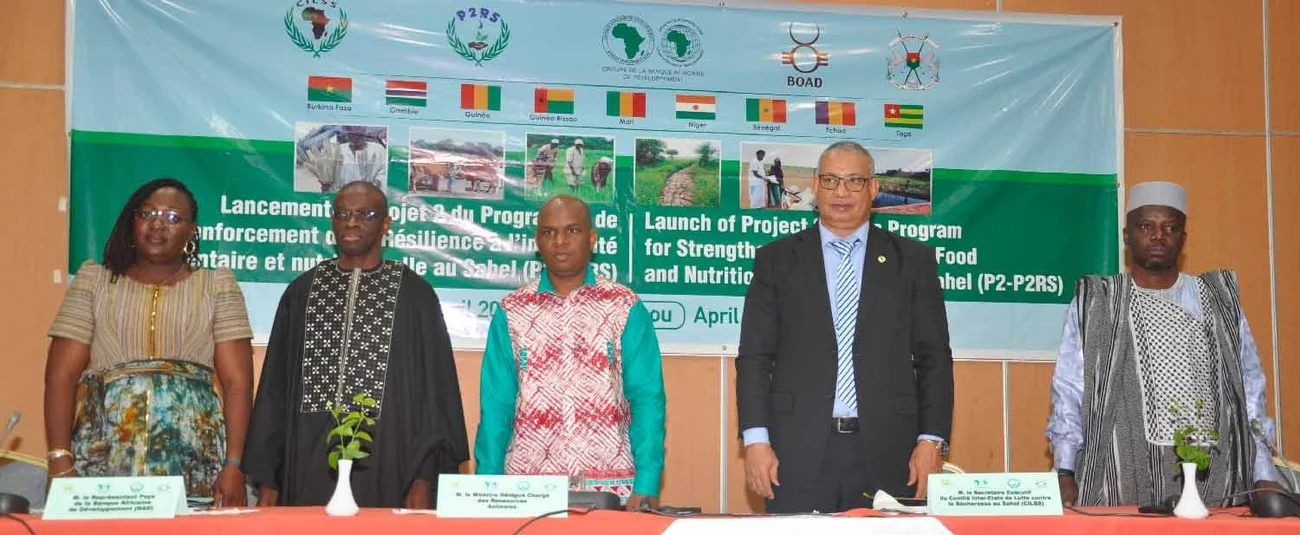
Sahel : la Banque africaine de développement et le Comité inter-États de lutte contre la sécheresse au Sahel lancent la phase 2 d’un programme contre l’insécurité alimentaire et nutritionnelle
La Banque africaine de développement et le Comité inter-États de lutte contre la sécheresse au Sa...
-

Semaine de l’immersion numérique du 21 au 25 mai 2024 à Ouagadougou
Depuis près de 3 décennies, Yam Pukri oeuvre pour des TIC pour le développement de l’Afrique.Dans...
Les Nouvelles de L'IRED
-
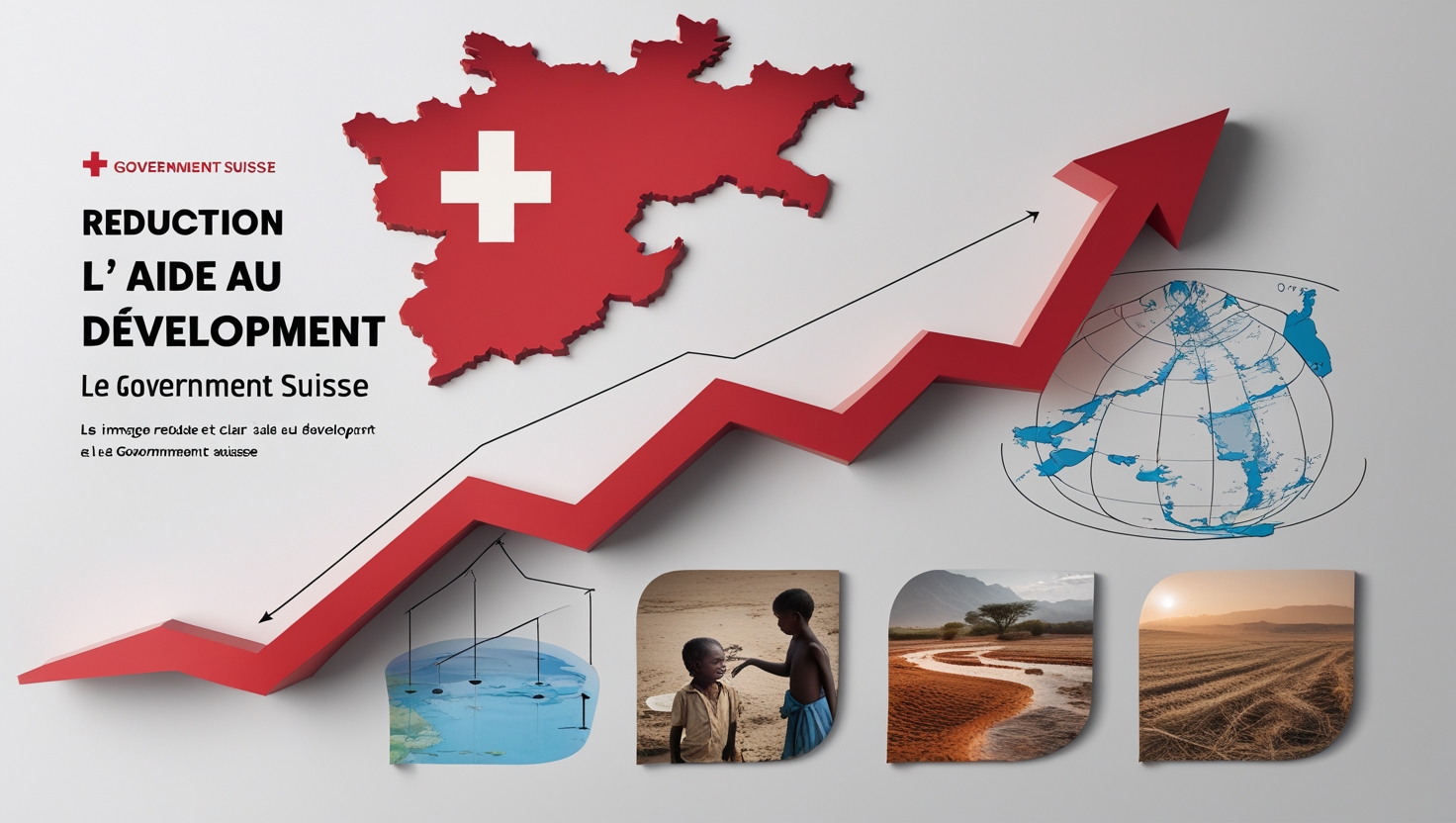
Le Parlement Suisse réduit le financement de la coopération au développement
Les deux chambres du Parlement suisse ont décidé à la mi-décembre 2024 de réduire les crédits del...
-
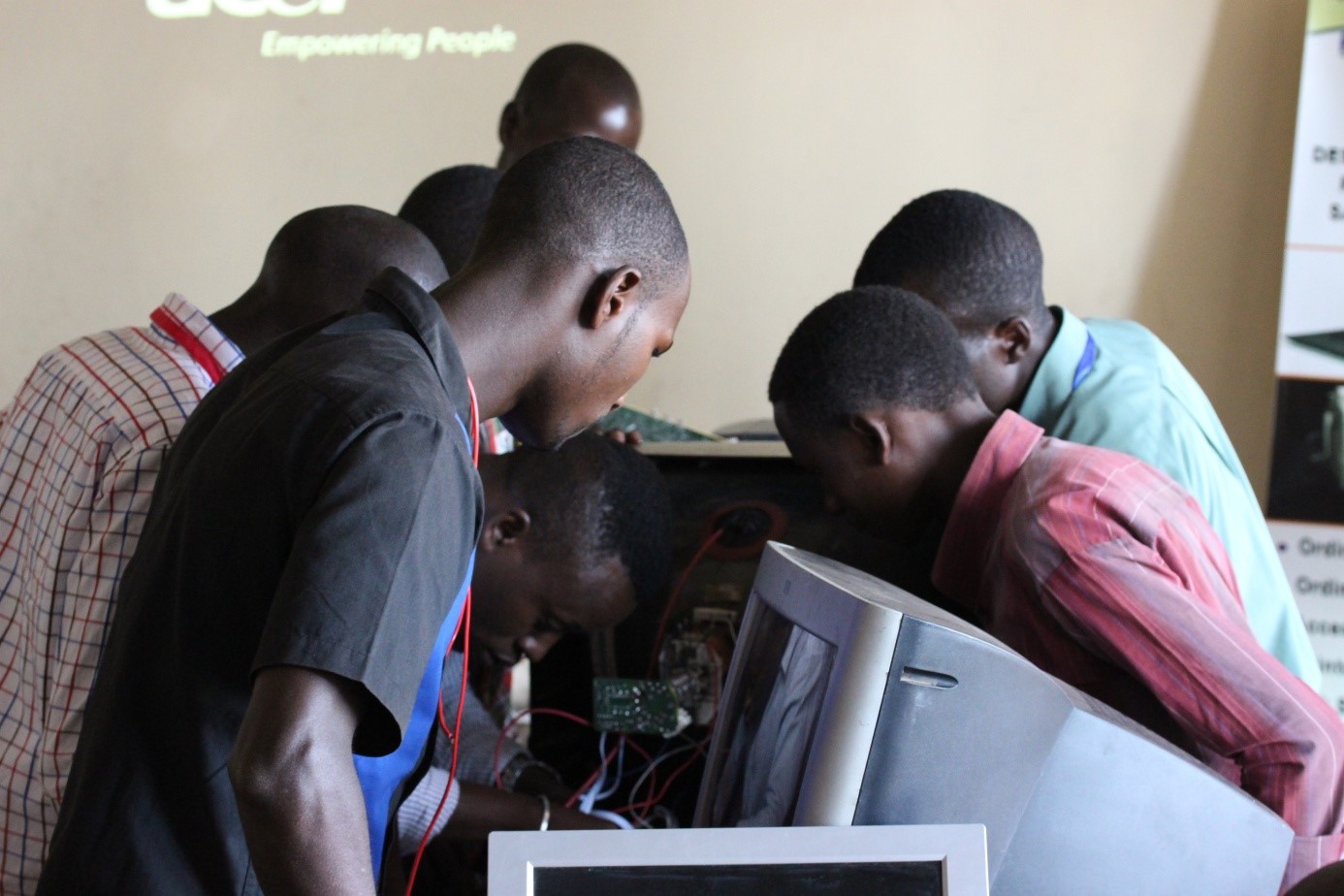
PRO JEUNES EMPLOI : RAPPORT FINAL
Projet 15-21 « Renforcement des capacités d’employabilité et d’auto emploi des jeunes au Burundi ...
-
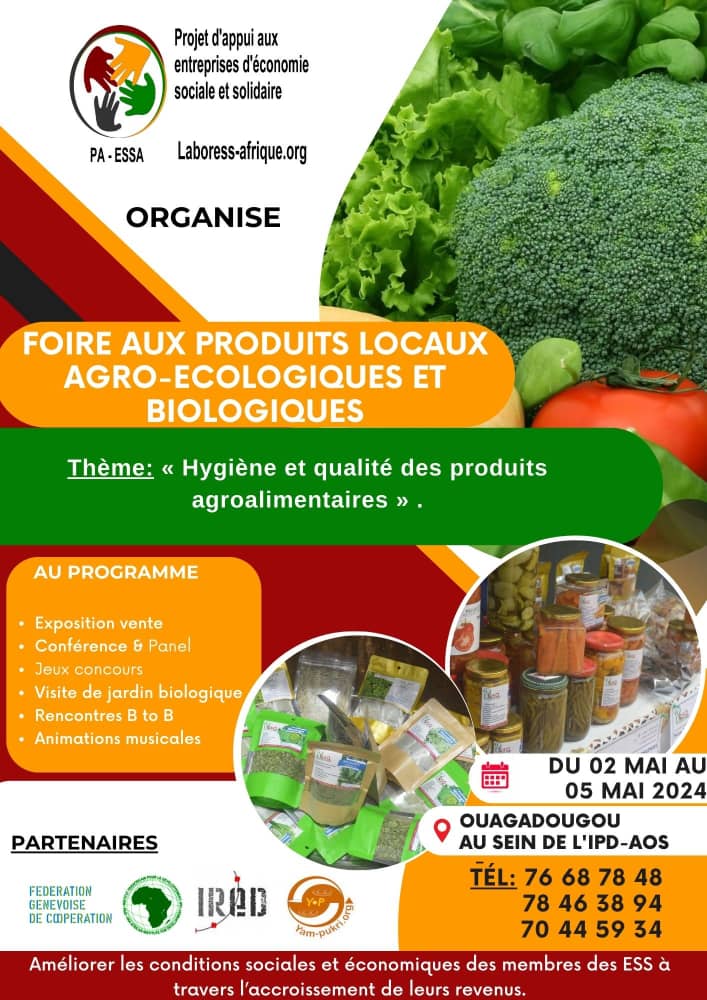
Foire PA ESSA 2-5 Mai 2024 À IPD-AOS
Sous le thème « Hygiène et Qualité des Produits Agroalimentaires », la Foire aux produits agroéco...
Ired-Forum
IRED.ORG est un projet qui participe au développement durable, c’est un levier pour le développement local, la localité d’obala remercie le président de l’IRED/PADYPAC/ADD,
Je suis un acteur du développement local de la ville d’Obala, plusieurs formations ont été déjà organisées par votre organisme, et l’impact est visible.
Merci à toute l’équipe
site est en construction avec la participation de tous les membres du Comité Exécutif
Adresse :
3, rue Varembé
Case postale 116
1211 Genève 20
Email : info@ired.org

Paul Gabriel FOLEU
Adresse : BP: 4757 Douala Cameroun
Cité-SIC Bassa
Email : fogaby@gmail.com